Saskatchewan — Land of Living Skies
Capital: Regina · Population: approximately 1.23 million · Joined Confederation: 1905
Saskatchewan is the province Canadians joke about without having been there. It's flat, it's cold in winter, it doesn't have mountains, and the drive across it on the Trans-Canada Highway is the longest-feeling stretch of the cross-country trip. All true. What's also true is that Saskatchewan has some of the best night skies in North America (the licence-plate motto, "Land of Living Skies," is not marketing — the light is genuinely different here), a food culture that's a quiet mix of Ukrainian, Indigenous and British farmhouse traditions, and a social-democratic political history (medicare was invented here under Tommy Douglas in the 1960s) that shaped the rest of the country.
A Compact History
Cree, Saulteaux, Assiniboine, Dakota and Dene nations have lived across what is now Saskatchewan for millennia. The Métis Nation settled in the river valleys from the 1700s onward. The North-West Rebellion of 1885, led by Louis Riel and Gabriel Dumont, played out largely in Saskatchewan — at Duck Lake, Fish Creek, and Batoche. The province was carved out of the North-West Territories in 1905, along with Alberta.
Twentieth-century Saskatchewan is the story of wheat. Mennonite, Ukrainian, German, Hutterite and Scandinavian settlers broke the prairie for farms between 1900 and 1930. The Dust Bowl and the Great Depression hit harder here than almost anywhere else in Canada. Out of that came Tommy Douglas and the Co-operative Commonwealth Federation (later the NDP), who built the first universal hospital insurance in North America in the 1940s and the first universal medicare program in the 1960s.
Saskatoon

Saskatoon is the largest city in Saskatchewan, metro population about 340,000. It sits on the South Saskatchewan River, which cuts a broad valley through the prairie. Seven bridges span the river inside the city; "the City of Bridges" is the unofficial nickname.
Is Saskatoon worth visiting?
For most travellers, it's a stop rather than a destination, but it's a better stop than its reputation suggests. The Meewasin Valley Trail runs 90 kilometres along both sides of the river through the city. The Remai Modern art gallery (opened 2017) has the largest collection of Picasso linocuts in the world, which is a sentence that reads strangely and is also true. Broadway Avenue in the Nutana neighbourhood is the walkable shopping-and-restaurant strip. Wanuskewin Heritage Park, just outside town, is an Indigenous heritage site and active archaeological dig that has been continuously occupied for 6,400 years.
What's the weather like?
Extreme and sunny. Winter averages in Saskatoon are comparable to Winnipeg (highs around -10°C, lows around -21°C in January). Summer is warm (highs around 25°C in July, occasionally 32°C). Saskatoon has the most sunshine of any city in Canada at about 2,381 hours per year, which mostly means very bright, very cold winter days.
How expensive is Saskatoon?
Cheap. A one-bedroom apartment rents for CAD $1,100 to $1,400. The benchmark detached house is around CAD $390,000. Saskatchewan has a 6 percent PST on top of 5 percent GST (11 percent total). Restaurants and groceries are similar to Winnipeg.
Most Popular Museum: Wanuskewin Heritage Park
Wanuskewin Heritage Park, six kilometres north of Saskatoon along the South Saskatchewan River, is one of the most significant Indigenous cultural and archaeological sites in North America. The name means "seeking peace of mind" in Cree, and the park protects nineteen pre-contact archaeological sites spanning over 6,000 years of continuous Northern Plains Indigenous occupation — longer than the Egyptian pyramids have stood. Tipi rings, medicine wheels, and bison kill sites are visible throughout the river valley terrain, and the interpretive centre uses the archaeological record to ground a living presentation of Plains Cree and Nakoda (Assiniboine) culture that is sophisticated, contemporary, and deeply affecting.
Wanuskewin received UNESCO World Heritage Site designation in recognition of its extraordinary cultural significance, and ongoing archaeological work continues to expand our understanding of the Northern Plains peoples who lived here. The park's programming includes traditional bannock making, tipi raising, and guided walks led by Indigenous knowledge keepers. The Remai Modern — a world-class contemporary art gallery on Saskatoon's riverbank that opened in 2017 — forms the other pillar of the city's cultural identity, and together these two institutions represent a remarkable range for a prairie city of 280,000.
Your Best 5 Days in Saskatoon
Saskatoon sits astride the South Saskatchewan River with a grace that surprises first-time visitors. The bridges, the river valley parks, the university campus, and the downtown restaurant scene make it one of the most liveable cities on the prairies.
Wanuskewin & the River Valley
Spend the morning at Wanuskewin Heritage Park — arrive when it opens and take the full guided walk through the archaeological sites with one of the Indigenous interpreters. In the afternoon, return to Saskatoon and walk the River Landing area, where the Remai Modern gallery anchors a beautifully developed riverfront. The Remai's permanent collection of Picasso linocuts — the largest outside of France — is just one of its surprises. Walk across one of the city's distinctive bridges at sunset.
Broadway Avenue & the University
Broadway Avenue on the east bank is Saskatoon's most character-rich commercial street: independent bookshops, prairie farm-to-table restaurants, vintage stores, and the kind of Saturday morning farmers' market that feels entirely organic rather than curated for tourism. Walk north through the Nutana neighbourhood to the University of Saskatchewan campus — the collegiate gothic buildings in Tyndall limestone are beautiful, and the Gordon Oakes Red Bear Student Centre is a stunning example of contemporary Indigenous architecture by Patkau Architects.
Ukrainian Heritage Day
Saskatchewan has the largest Ukrainian-Canadian population of any province, and the heritage is visible in the architecture, food, and culture of dozens of communities. Drive east to Vegreville (just over the Alberta border) for the world's largest Easter egg, or explore the Ukrainian settlements along Highway 16 east of Saskatoon. Closer to the city, the Ukrainian Museum of Canada on Spadina Crescent documents the immigration waves and cultural preservation efforts of the community with excellent collections of embroidery, pottery, and pioneer artifacts.
Waskesiu & Prince Albert National Park
Drive two hours north to Prince Albert National Park, where the boreal forest begins and the prairies end. The park's lakes, forests, and wetlands support populations of bison, wolves, elk, and black bear. The Grey Owl cabin at Ajawaan Lake — accessible by boat or a two-day hike — marks the adopted home of one of conservation's most complex figures. Waskesiu townsite has a beach on Waskesiu Lake that fills with Saskatoon families every summer weekend.
Berry Farms & Prairie Horizon
Drive the grid roads south and east of Saskatoon through the wheat-and-canola heartland for the full Saskatchewan sky experience — the horizon here is approximately as far away as the curvature of the earth allows, and the light on a clear morning over the fields is unlike anywhere else in Canada. Stop at a Saskatoon berry farm (the saskatoon berry, native to the prairies, is entirely unrelated to the city but delicious in pies and jams). Return to the city for a final dinner on Second Avenue's growing restaurant strip.
Regina
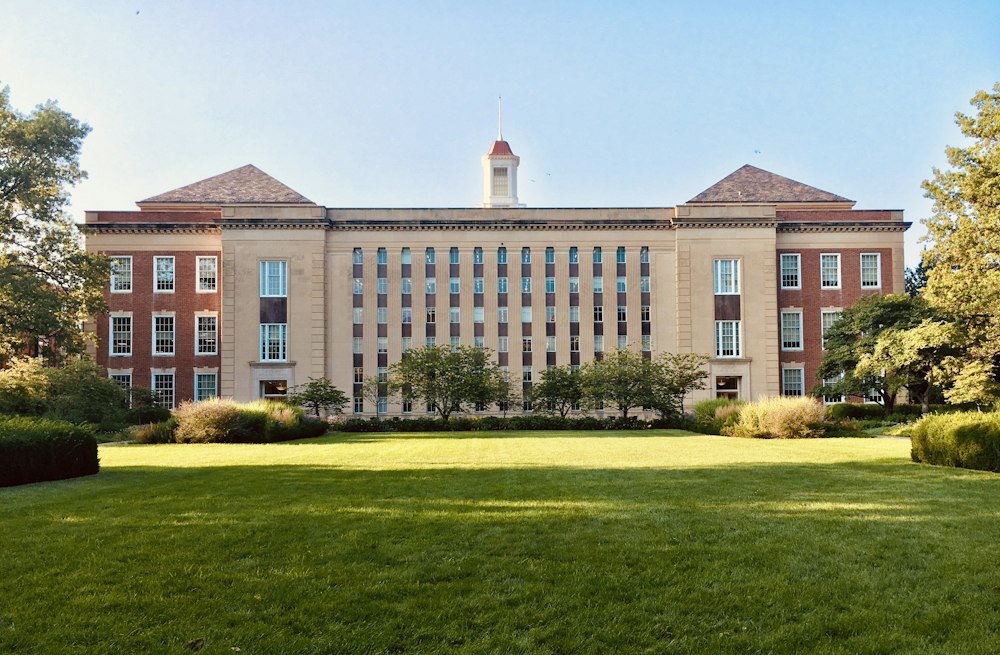
Regina is the provincial capital, a city of about 255,000 on a flat plain in southern Saskatchewan. It was named in 1882 for Queen Victoria ("regina" is Latin for "queen"). Before that it was called Wascana — a Cree name meaning "pile of bones" — which referred to the bison-bone middens the Cree had built up at the site over centuries.
What's worth doing in Regina?
Wascana Centre — a 9.3 square kilometre park around Wascana Lake in the middle of the city — holds the Legislative Building, the Royal Saskatchewan Museum and the MacKenzie Art Gallery, and is a pleasant walk in almost any season. The RCMP Heritage Centre, at the RCMP's training academy ("Depot") on the west edge of the city, tells the story of Canada's national police force with unusual candour (including the force's role in Indigenous policy). Roughriders football at Mosaic Stadium is, for many Saskatchewan people, the single most important social event of the week between August and November.
Is Regina smaller than people expect?
Yes. The downtown is compact and walkable — you can see it all in a morning — and the city has a small-capital feel rather than a commercial-centre energy. Saskatoon has overtaken Regina in size, business activity and cultural presence, but Regina still has the legislature, the archives and the ceremonial centre of the province.
Most Popular Museum: Royal Saskatchewan Museum
The Royal Saskatchewan Museum on Albert Street is the provincial natural history museum and one of the finest in western Canada. The Life Sciences gallery traces Saskatchewan's ecological history from the Cretaceous seas that covered the province to the present-day mixed grasslands — and the province's fossil record is extraordinary, given that the Western Interior Seaway deposited an unbroken sedimentary record that has yielded some of the best-preserved mosasaurs, plesiosaurs, and hadrosaurs in the world. The First Nations Gallery, developed in close collaboration with Saskatchewan's Indigenous nations, presents the cultures and histories of the province's Indigenous peoples with a seriousness and respect that sets a standard for natural history museums across the country.
The adjacent RCMP Heritage Centre in Regina is almost equally compelling for anyone wanting to understand how a single institution shaped a country. The North West Mounted Police — the forerunner of the RCMP — was created in 1873 specifically to assert Canadian sovereignty over the prairies before American expansion could fill the vacuum, and its role in everything from the numbered treaties to the Klondike gold rush is thoroughly explored. The Musical Ride performers train in Regina, and if the schedule aligns, watching the horses and riders practice is one of those Canadian experiences that is unexpectedly moving.
Your Best 5 Days in Regina
Regina has a reputation as Canada's most nondescript provincial capital, and while that reputation is occasionally deserved, the city has genuine highlights and makes an excellent base for exploring the southern Saskatchewan grasslands — some of the rarest and most ecologically important habitat in Canada.
Legislature & Wascana Centre
Regina's Legislative Assembly Building, completed in 1912 in a renaissance revival style with a dome modelled on St. Paul's Cathedral in London, is one of the finest capitol buildings in Canada. Free guided tours run throughout the day. The building sits within Wascana Centre, a 930-hectare park surrounding Wascana Lake — one of the largest urban parks in North America — where pelicans and herons nest amid the reeds and sailboats tack across the lake in summer. The MacKenzie Art Gallery on the park's edge has strong permanent holdings in Saskatchewan and Canadian art.
RCMP Heritage Centre & Royal Saskatchewan Museum
Dedicate the day to museums. The RCMP Heritage Centre in the morning — allow two to three hours — then walk to the Royal Saskatchewan Museum for the afternoon. The museum's Paleo Pit, where palaeontologists work on specimens in public view, is a draw for adults and children alike. The T-rex Discovery Centre at Eastend (a four-hour drive southwest) is worth a side trip if your itinerary allows; the Scotty specimen excavated there is one of the largest T. rex skeletons ever found.
Weyburn & Big Muddy Badlands
Drive south to the Big Muddy Badlands — a landscape so unlike the flat prairie that surrounds it, you feel you've crossed into a different province. The eroded coulees, hoodoos, and Castle Butte (the largest free-standing butte on the northern plains) provide a dramatic contrast to the agricultural plateau above. The area was historically used by Sitting Bull's people as a refuge after the Battle of the Little Bighorn, and the outlaw history of the Big Muddy is entertainingly told on guided tours from the Val Marie area.
Grasslands National Park
Drive four hours southwest to Grasslands National Park — the only park in Canada protecting the mixed-grass prairie ecosystem that once covered the entire southern plains. The park has reintroduced plains bison, black-tailed prairie dogs, and swift foxes. Walking the unbroken grassland under a sky that extends without interruption in every direction produces a sensation of scale that no mountain landscape matches. The dark sky preserve designation means the night skies here are among the clearest in Canada.
Moose Jaw Day Trip
Drive forty minutes west to Moose Jaw for the Tunnels of Moose Jaw — an entertaining guided theatrical experience through tunnels beneath the city that weaves together two historical legends: Chinese railway workers who allegedly hid underground after the completion of the CPR, and Al Capone's rumoured use of the tunnels for rum-running during Prohibition. The town's heritage streetscape and the Murals of Moose Jaw — over fifty outdoor artworks covering building walls throughout the downtown — make a full afternoon before returning to Regina.
Moose Jaw & the South
Moose Jaw, population about 33,000, sits 70 km west of Regina on the Trans-Canada. Its name comes from a Cree word for a creek with a bend in the shape of a moose's jaw (or possibly from the Assiniboine word "moos gaw" meaning "warm winds" — both origins are widely claimed). The tunnels beneath downtown Moose Jaw — built in the early 20th century and used, at different times, by Chinese railway workers, bootleggers during Prohibition and possibly by Al Capone on his bootlegging runs — are the kitsch tourist attraction of the region.
Further west, Grasslands National Park protects one of the last patches of intact mixed-grass prairie in North America. It's also one of the darkest night-sky preserves on the continent. Bring a telescope.
Most Popular Museum: Tunnels of Moose Jaw
The Tunnels of Moose Jaw is the most visited attraction in Saskatchewan outside of the province's national parks, and its success rests on an unusual foundation: theatrical guided tours through a network of underground passages beneath the downtown core. Two separate tour experiences operate here — one dramatizing the story of Chinese workers who allegedly hid in the tunnels after completing the Canadian Pacific Railway in the 1880s, and another staging an encounter with Al Capone's fictional Moose Jaw operation during Prohibition. The historical basis of both stories is disputed by scholars, but the performances are enthusiastic and the tunnels themselves are real.
Beyond the theatrical experience, the tunnels genuinely document an underground infrastructure that served various purposes over a century of Moose Jaw history, and the context provided by the interpretive materials is more honest about the mythology than the marketing might suggest. For the more historically rigorous visitor, the Moose Jaw Museum and Art Gallery on Crescent Park tells the city's actual story with excellent archives and rotating exhibitions. The murals throughout the downtown — part of the Tunnels town's reinvention as an arts destination — are increasingly a draw in their own right.
Your Best 5 Days in Moose Jaw & the South
Moose Jaw sits at the crossroads of prairie history and makes an excellent base for exploring the coulees, badlands, and grasslands of southern Saskatchewan.
Tunnels & Temple Gardens
Do both tunnel tours back-to-back in the morning — they're each about forty-five minutes and the combination gives you the full picture. In the afternoon, visit Temple Gardens Hotel and Spa, which draws its mineral pools from one of the largest underground mineral water aquifers in North America. The geothermal pools are genuinely therapeutic and the spa is a considerable step up from what you'd expect in a city this size.
Murals & Heritage District
Walk the Murals of Moose Jaw with the self-guided tour map from the visitor centre — the outdoor art program has transformed the downtown with over fifty large-scale works, several by nationally recognized artists. The heritage commercial district along Main Street has well-preserved Edwardian storefronts. The Moose Jaw Museum and Art Gallery at the end of Crescent Park covers the city's aviation history (Moose Jaw's 15 Wing has been training NATO pilots since World War II) and the area's Indigenous and settler heritage.
Buffalo Pound Provincial Park
Drive north to Buffalo Pound Provincial Park, named for the bison pounds — enclosures built by Plains peoples to drive and trap bison — that once operated along the Qu'Appelle Valley. The park's lake, surrounded by the rolling hills of the Dirt Hills, is a striking departure from the flat prairie. Canoe rentals, good hiking trails, and the warmest lake swimming in Saskatchewan make it a full-day destination.
Qu'Appelle Valley
The Qu'Appelle Valley cuts east through the prairie for nearly 400 kilometres — a glacial spillway now occupied by a chain of lakes, small towns, and First Nations communities. Drive the valley road through Fort Qu'Appelle, where the Treaty 4 negotiations took place in 1874. The Fort Qu'Appelle Museum documents both the fur trade and treaty history. The Echo Valley Provincial Park nearby has beautiful swimming and camping on the chain lakes.
Big Muddy Badlands
Head south to the Big Muddy Badlands — arguably the most dramatic landscape in Saskatchewan, where erosion has carved hoodoos, pillars, and canyon walls from the prairie plateau. Castle Butte rises 70 metres above the surrounding plain like a sentinel. The guided valley tours from the Big Muddy community reveal the outlaw history of the region, where the border-straddling coulees sheltered horse thieves and cattle rustlers in the 1890s. The landscape at sunset, when the eroded clay glows amber, is unforgettable.
Prince Albert & the North
Prince Albert, population about 38,000, is the gateway to the forested, lake-dotted northern half of the province. Prince Albert National Park, 200 km north of Saskatoon, is where Grey Owl lived in the 1930s. Lac La Ronge, Waskesiu Lake and the boreal lake-canoe country that stretches north from here are some of Canada's best canoeing country and some of its least-visited.
Most Popular Museum: Prince Albert Historical Museum
The Prince Albert Historical Museum, housed in the 1912 Fire Hall on River Street, tells the story of a city that has occupied a genuinely consequential position in Saskatchewan history despite its relatively small size. Prince Albert was the centre of the North-West Resistance of 1885, when Louis Riel's provisional government and the settler population came into conflict with the same tensions that had driven the Red River Resistance fifteen years earlier. The museum's treatment of this period is more nuanced than many small-town institutions manage — the Métis perspective is given proper weight alongside the settler narrative. John Diefenbaker, Canada's thirteenth prime minister, practised law in Prince Albert and represented it in Parliament for decades; the Diefenbaker House is preserved as a heritage site nearby.
The broader context of Prince Albert as the gateway to the boreal north — the city where agriculture gives way to forest, lake, and the Shield — is perhaps its most significant characteristic. The transition from prairie to boreal here is one of the most dramatic ecological boundaries in the country, and the national park that bears the city's name to the north is the primary reason most visitors come to this region.
Your Best 5 Days in Prince Albert & the North
Prince Albert is where Saskatchewan's prairie identity gives way to the boreal forest that covers the northern two-thirds of the province — a landscape of lakes, rivers, and spruce that most Canadians associate with the Shield rather than the prairies.
Prince Albert & River Walks
Walk the North Saskatchewan River valley through the city's excellent river trail system, which connects historic downtown blocks with the natural riverbank. Visit the Cathedral of Our Lady of Victories and the Prince Albert Historical Museum for city context. Drive out to the Diefenbaker House in the afternoon. In the evening, the restaurants on Central Avenue have improved significantly in recent years and the local craft brewing scene reflects the broader prairie revival.
Prince Albert National Park — Waskesiu
Drive one hour north into Prince Albert National Park and base yourself at Waskesiu townsite. Waskesiu Lake has a sand beach that fills with Saskatchewan families every summer weekend — the water quality here is excellent and the setting, with boreal forest coming down to the water's edge, is beautiful. Rent a canoe or kayak for an afternoon paddle. The park's trail system begins right from town and offers everything from easy lake-edge walks to multi-day wilderness routes.
Grey Owl Country & Wildlife
Drive the park road north toward the Kingsmere Lake area for the best wildlife viewing. The park's bison herd is typically visible in the Sturgeon Valley area in early morning and evening. The Grey Owl cabin at Ajawaan Lake is accessible by boat from Kingsmere Landing — a four-kilometre paddle through boreal lake country to the restored cabin where the conservationist and writer known as Grey Owl (Archibald Belaney) lived with his beaver family from 1931 until his death in 1938. The story of his elaborate identity performance and his genuine conservation work is one of the strangest in Canadian history.
Canoe the Waskesiu River
The Waskesiu River canoe route is one of the finest half-day paddling experiences in Saskatchewan — a gentle river trip through marsh and boreal forest with reliable moose, beaver, and waterfowl sightings. The shuttle can be arranged through the park's canoe outfitter in Waskesiu. In the afternoon, walk the Hanging Heart Lakes trail for lake-to-lake scenery in the park's interior. Pack binoculars — the park's loon population is exceptionally healthy and the calls across the lakes at dusk are extraordinary.
Fishing Lake & the Return
Drive east from Prince Albert to Fishing Lake, a broad shallow lake in the aspen parkland favoured by generations of Saskatchewan fishing families. The lakeside communities along the south shore have a timeless, unpretentious quality. Return to Saskatoon via the Highway 2 corridor through the rich agricultural land of central Saskatchewan — the road passes through small towns whose grain elevators are gradually disappearing, making each surviving wooden elevator increasingly precious as a landscape monument.
Saskatchewan FAQs
Is Saskatchewan really flat?
The southern third is, yes — you can see to the horizon in any direction. The middle third is gently rolling. The northern third is boreal forest and Precambrian shield and not flat at all. The "Saskatchewan is flat" stereotype is a southern stereotype that most of the province doesn't actually fit.
What's the time zone?
Central Standard Time year-round. Saskatchewan does not observe daylight saving, so in summer it lines up with Alberta (one hour behind Manitoba) and in winter it lines up with Manitoba (one hour ahead of Alberta). This confuses people every spring and fall.
Is there any mountain scenery?
Not really — the Cypress Hills in the southwest are the highest elevation between Labrador and the Rockies, but they're more rolling hill than mountain. For the full mountain experience you need to cross into Alberta.
What's potash?
A mineral salt mined from ancient sea deposits, used mainly as fertilizer. Saskatchewan sits on one of the world's largest reserves, and potash has been the province's second-biggest export after wheat for decades. The mining companies (Nutrien, formerly PotashCorp) are among Saskatchewan's largest employers.
Education & Post-Secondary Institutions
Saskatchewan's post-secondary system serves a population spread across prairie cities, small towns, and First Nations communities. The province has two major universities, a federated college system, and a polytechnic network built around the skilled trades and agriculture that are the backbone of Saskatchewan's economy.
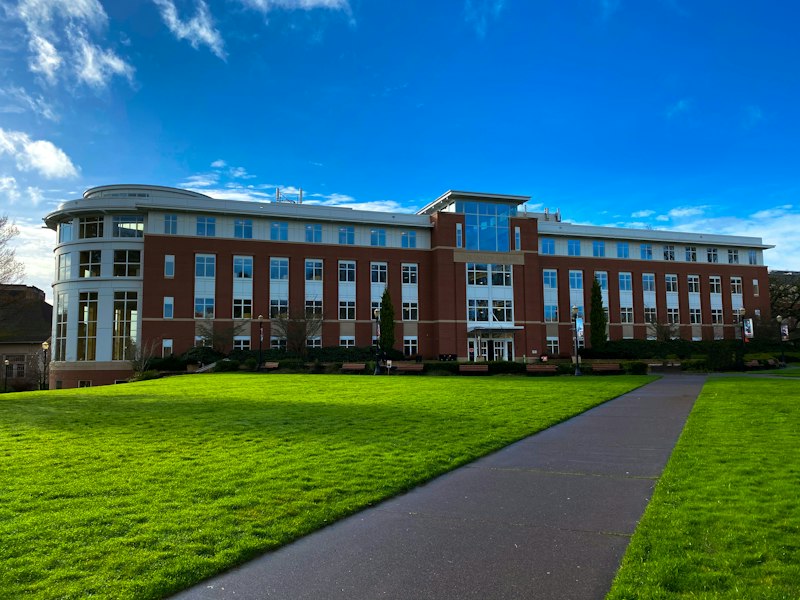
University of Saskatchewan (USask)
Saskatchewan's flagship research university, home to the Canadian Light Source — Canada's only synchrotron facility and one of the most powerful X-ray research tools in the world. USask is internationally recognized for agriculture, veterinary medicine, law, and pharmacy. The Gwenna Moss Centre for Teaching Effectiveness is a national leader in pedagogical innovation.

University of Regina
The provincial capital's university, known for journalism (one of Canada's best journalism schools), social work, engineering, business, and Indigenous education. The First Nations University of Canada is federated with U of R and offers programs from an Indigenous perspective on and off campus.

First Nations University of Canada (FNUniv)
A unique federated college of the University of Regina, FNUniv is governed by First Nations and offers degree programs incorporating Indigenous knowledge, languages, and governance. Programs in Indigenous education, social work, arts, sciences, and business serve students from across Canada. It is a model for Indigenous-controlled post-secondary education.
Saskatchewan Polytechnic
The province's applied learning institution with four campuses and online delivery. Saskatchewan Polytechnic offers trade certificates, diplomas, and applied degrees in agriculture, business, health sciences, technology, and engineering technology. Its aviation and mining programs are particularly relevant to Saskatchewan's resource economy.
Briercrest College and Seminary
A private Christian liberal arts college and seminary on the prairies, known for its strong community atmosphere, music, theology, and business programs. Briercrest also operates one of the most successful small-school hockey programs in Canada.
Sports Teams & Athletic Culture
Saskatchewan is a province of 1.2 million people that behaves like a single sports community when the Saskatchewan Roughriders are playing. The CFL franchise commands a province-wide loyalty with no parallel in North American professional sport.
 RIDERS
Saskatchewan Roughriders
Not just a team — a province-wide social institution. Rider Nation is real: fans drive four hours from the far corners of Saskatchewan to watch home games. The team has won four Grey Cups and the green-and-white colours appear on storefronts in towns of 200 people.
 BLADES
Saskatoon Blades
One of the WHL's original franchises. SaskTel Centre is one of the better junior hockey venues in western Canada and Saskatoon takes its Blades seriously — the team has produced dozens of NHLers.
PATS
Regina Pats
Founded in 1917, the Pats are the oldest major junior hockey franchise in the world. They play at the Brandt Centre next to Mosaic Stadium, creating a remarkable sports district in Regina's east end.
Culture, Arts & Identity
Saskatchewan is easier to stereotype than to understand. The landscape — flat, wide, impossibly photogenic at sunrise and sunset — shapes the psychology of its people in ways that visitors don't always catch immediately. This is a province where the sky is genuinely bigger, where you can watch a thunderstorm approach from forty kilometres away, and where the distances between things create a particular quality of attention.
The Living Skies
Saskatchewan's license plates say "Land of Living Skies" and the phrase is not an exaggeration. The unobstructed horizon means weather systems are visible as moving theatre. The province has more hours of sunshine per year than any other in Canada. The landscape has attracted painters — the Saskatchewan prairie has been depicted more obsessively in Canadian visual art than almost anywhere else in the country, from the Group of Seven's Lawren Harris to contemporary Indigenous artists.
Indigenous Culture
Saskatchewan is one of the most culturally active provinces for Indigenous arts and governance. The First Nations University of Canada in Regina is the only degree-granting institution in the world dedicated to Indigenous education within a university context. The province has large Cree, Assiniboine, Nakoda, Lakota, Saulteaux and Dakota populations. Wanuskewin Heritage Park near Saskatoon, a National Historic Site, sits above a 6,400-year-old valley used by Indigenous peoples as a buffalo hunting ground.
Agriculture as Identity
Saskatchewan produces roughly 40 percent of Canada's agricultural exports. The landscape of grain elevators — now disappearing as companies consolidate — was for generations the defining visual symbol of the province. The loss of small-town grain elevators has been mourned as deeply as the closure of a cathedral might be in Europe. The annual Agribition livestock show in Regina is the largest beef cattle show in the Western Hemisphere and draws buyers from sixty countries.
Saskatchewan's Hall of Icons
Saskatchewan is a small-population province that has produced an unreasonable number of significant Canadians. The combination of long winters, small towns and a stubborn agrarian work ethic seems to manufacture writers, hockey players, statesmen and comedians at a rate that confounds the demographic odds.
Gordie Howe
"Mr. Hockey." Born outside Saskatoon, Howe played 26 NHL seasons, won four Stanley Cups, and held the league's all-time goal-scoring record for nearly thirty years. He played professionally into his fifties — a feat unmatched in any major North American sport. The Gordie Howe Bridge between Detroit and Windsor carries his name.
Tommy Douglas
The Baptist preacher who became premier and introduced North America's first single-payer health-care system in 1962. Voted "Greatest Canadian" in a 2004 CBC poll. His grandson is the actor Kiefer Sutherland; his daughter is Shirley Douglas. Saskatchewan ideas — Medicare, the Co-op movement, the Crown corporation model — shaped the modern Canadian state.
W.P. Kinsella
The author of Shoeless Joe (later filmed as Field of Dreams) and the Hobbema short stories — controversial later, but pioneering in their attempt to put First Nations characters at the centre of mainstream Canadian fiction. Kinsella set most of his career-defining work in central and southern Saskatchewan and Alberta.
Guy Vanderhaeghe
Three-time Governor General's Award winner. His "Canadian Western" trilogy — The Englishman's Boy, The Last Crossing, A Good Man — re-imagines the prairie frontier without the American mythology. Still teaches at St. Thomas More College in Saskatoon.
Joni Mitchell
Maybe the most influential singer-songwriter of her generation. Mitchell grew up in Saskatoon and Maidstone, contracted polio as a child, and learned guitar with a unique tuning that became part of her sound. Blue, Hejira and Court and Spark remain landmarks.
Leslie Nielsen
The dramatic actor who, late in his career, reinvented himself as the deadpan king of Airplane! and The Naked Gun. Nielsen was raised in the Northwest Territories and Edmonton, but Saskatchewan — where his family eventually settled — claims him.
Hayley Wickenheiser
The most decorated women's hockey player of all time, with four Olympic gold medals and seven world championships. Born in southwest Saskatchewan, raised through a moveable hockey life, now a doctor and Toronto Maple Leafs assistant general manager.
Rosemary Brown & the Saskatchewan Eight
The "Famous Five" gets the press, but the eight Cree, Saulteaux and Métis women who organized to push for Indigenous representation in Saskatchewan politics in the 1940s and 1950s seeded a generation of provincial leadership. The First Nations University of Canada is, in part, their legacy.
Buffy Sainte-Marie
Cree singer-songwriter, Oscar winner ("Up Where We Belong"), and Indigenous-rights activist whose career spans more than sixty years. Sainte-Marie was adopted out of the Piapot Cree Nation as an infant; her later return to and recognition by the community has been part of the long conversation about identity and reconnection.
Regional Cuisine: What Saskatchewan Actually Eats
Saskatchewan cooks the prairie. The wheat is grown here. The lentils — Canada produces about a third of the world's lentil supply, and most of them come from Saskatchewan — are increasingly on the dinner table after decades of being entirely an export crop. Beef, pickerel, saskatoon berries, and an extensive Ukrainian-and-Mennonite home-cooking tradition round out a quietly serious provincial menu.
Saskatoon Berries
The provincial fruit. The town of Saskatoon is named after them, not the other way around. Eaten fresh in July, baked into pies, jammed for winter. The Berry Barn, ten minutes south of Saskatoon along the river, has been the family-pie destination for forty years.
Pickerel from the Northern Lakes
Pulled from Lake Diefenbaker, Last Mountain Lake and the lakes of the Churchill River system. Lightly battered, pan-fried, served with lemon and tartar. If you're at a Saskatchewan fish fry — and you should try to be — pickerel is what you're eating.
Pyrohy & Cabbage Rolls
Saskatchewan has the highest concentration of Ukrainian-Canadians outside Manitoba and Alberta. Every small-town hall cooks them by the thousand for fundraisers. Baba's Homestyle Perogies in Saskatoon is the working-class institution; the cabbage rolls (holopchi) are the necessary side.
Bunnock & Sunday Beef Roast
The Sunday roast — slow-cooked beef, Yorkshire pudding, root vegetables, gravy — remains a near-universal Saskatchewan family meal. Many farmers still butcher their own beef. The provincial beef cattle show, Agribition in Regina each November, is the biggest in the Western Hemisphere.
Cajun-Style Pickerel from Lakeview
One peculiarly local fusion: blackened-pickerel served with lemon-dill aioli, brought to Saskatchewan via the African-Canadian community in the 1970s and now a staple of patio menus across Saskatoon and Regina.
Bannock & Indigenous Cuisine
Wanuskewin Heritage Park's restaurant has, since 2019, served one of the most thoughtfully designed Indigenous tasting menus in the country. Bison stew, three sisters soup, cedar-smoked Saskatoon-berry desserts. Combine with a tour of the bison enclosure and the Plains Indian interpretive site.
Whose Land Are You On?
Saskatchewan is the homeland of multiple First Nations and Métis peoples whose presence on these plains stretches back at least 12,000 years. The province's name is from the Cree kisiskāciwanisīpiy, "the swiftly flowing river." Almost every river, valley and major landmark in the province carries an Indigenous name.
Treaty 4: The Southern Plains
Treaty 4, signed at Fort Qu'Appelle in 1874, covers the southern half of the province. It is Cree, Saulteaux, Assiniboine and Dakota territory, and includes Regina, the Qu'Appelle Valley, and the southern grain belt.
Treaty 6: The Central Belt
Treaty 6 (1876) covers central Saskatchewan and Alberta. It is Plains Cree and Woodland Cree territory and includes Saskatoon, Prince Albert and Battleford. The "medicine chest clause" originated in Treaty 6 negotiations and remains a cornerstone of Indigenous health-care advocacy.
Wanuskewin and the Plains Heritage
Wanuskewin Heritage Park, ten minutes north of Saskatoon, is one of the most important Indigenous archaeological sites in North America — 6,400 years of continuous use as a buffalo hunting and gathering ground. The park's reintroduced bison herd, the medicine wheel, and the working interpretive site make it a half-day visit at minimum. Submitted as a UNESCO World Heritage candidate.
Métis Saskatchewan
Saskatchewan's Métis communities — Batoche, St. Laurent, Duck Lake, Lebret — were the heart of the 1885 Northwest Resistance led by Louis Riel and Gabriel Dumont. The Batoche National Historic Site, an hour north of Saskatoon, is the essential Métis pilgrimage in Canada. Back to Batoche Days every July is the largest Métis cultural gathering in the country.
Your Best 5-Day Stay in Saskatchewan
Saskatchewan rewards the patient traveller. The big-sky landscape, the prairie towns and the deep human history don't shout at you the way mountains do; they reveal themselves slowly. Five days is enough to see Saskatoon, Regina, the Qu'Appelle Valley, the Indigenous and Métis heritage sites, and a slice of the boreal north.
Saskatoon — The Riverbank City
Fly into YXE. Start with a walk along the Meewasin Valley Trail — Saskatoon's defining feature is the South Saskatchewan River that runs through it, and the trail crosses seven bridges in twenty kilometres. Coffee at Museo or D'Lish by Tish; lunch at Hometown Diner.
Afternoon at the Remai Modern, a museum that holds the world's largest collection of Picasso's linocuts. Dinner at Ayden Kitchen and Bar — Top Chef Canada winner Dale MacKay's flagship — or the Hollows for chef Jenni Lessard's foraged-prairie tasting menu. Late drink at the Capitol Music Club.
Wanuskewin and the Boreal North
Morning at Wanuskewin Heritage Park (book the guided tour). Lunch at the park's restaurant. Afternoon: drive north up Highway 11 toward Prince Albert. Stop in Prince Albert for an evening, or push further to Waskesiu Lake in Prince Albert National Park (3 hours from Saskatoon).
Sleep at the Hawood Inn in Waskesiu. Walk the boardwalk; if you're lucky, hear the loons.
Prince Albert National Park & Grey Owl's Cabin
The park is the boreal-forest contrast to the prairie. Hike the Grey Owl trail (a 20-km return trip if you can do the whole thing) to the cabin where the British conservationist Archibald Belaney lived as a self-described Indigenous trapper in the 1930s. Or rent a canoe at Waskesiu Lake and paddle out to Lavallée Lake.
Drive south in the late afternoon. Stop at Batoche National Historic Site — the heart of the 1885 Northwest Resistance, with reconstructed buildings, the rifle pits, and the church where Riel preached. Sleep in Saskatoon.
Saskatoon to Regina & the Qu'Appelle Valley
Drive Highway 11 south to Regina (2½ hours). Stop in Davidson for coffee at the Royal Bistro. Afternoon in Regina: Wascana Centre (one of the largest urban parks in North America), the Saskatchewan Legislative Building, and the Royal Saskatchewan Museum's First Nations Gallery.
Drive an hour east to the Qu'Appelle Valley — the surprise prairie geography that runs east-west across the province. Sleep at the Calling Lakes resort area or in Lumsden. Dinner at the Last Mountain Distillery's tasting room.
Regina & the RCMP Heritage Centre
Morning at the RCMP Heritage Centre and the Sergeant Major's Parade at the Depot Division — Canada's only RCMP training academy and one of the most photogenic civic ceremonies in the country. Lunch at Crave Kitchen + Wine Bar.
Afternoon: drive south to Moose Jaw (45 minutes) for the Tunnels of Moose Jaw tour (a quirky Prohibition-era underground attraction) and the Temple Gardens spa for the long soak you've earned. Evening drive back to Regina or Saskatoon for a flight home.
Five Days in Saskatoon
Saskatoon — the City of Bridges, the Paris of the Prairies in the half-joking local phrase — sits on the South Saskatchewan River with seven crossings tying its quadrants together. Five days here covers the riverbank trail, the Remai Modern, Wanuskewin, the Berry Barn, the city's surprising restaurant scene, and a weekend at the farmers' market. Stay in Riversdale or downtown for walkability.
The Meewasin Trail & the Remai Modern
The Meewasin Valley Trail runs 80 kilometres along the river through the city's heart. Start with breakfast at Hometown Diner in Riversdale, then walk the trail east past the Mendel Art Gallery's old site and into the Remai Modern — Saskatoon's 2017 art gallery, the largest holding of Picasso linocuts in the world (405 of them, donated by Frederick Mendel and Ellen Remai). Allow three hours.
Lunch on the Remai's terrace overlooking the river. Walk across the University Bridge to the U of S campus for an afternoon at the Diefenbaker Canada Centre. Dinner at Ayden Kitchen and Bar on 20th Street, where Top Chef Canada winner Dale MacKay built the city's most influential restaurant.
Wanuskewin Heritage Park
Wanuskewin, 15 minutes north of the city, is a 6,000-year-old Northern Plains gathering site and the longest-running archaeological dig in Canadian history. The interpretive centre opened a major expansion in 2020 to support its UNESCO World Heritage bid; the bison herd reintroduced in 2019 is grazing on land that once held them in numbers nobody alive remembers.
Lunch at the park's restaurant (the bison stew, Saskatoon-berry desserts and bannock are the menu's anchor). Allow four hours total. Back in town, dinner at Little Grouse on the Prairie on 20th Street West for Italian-Saskatchewan cooking that punches above its weight.
The Western Development Museum & Broadway
The Western Development Museum's Saskatoon branch — Boomtown 1910 — is a full-scale indoor recreation of an early-20th-century prairie street, the most ambitious of the four WDM sites in the province. Allow two hours and time the visit for the model-train running.
Cross the Broadway Bridge for the afternoon in the Nutana neighbourhood — Broadway Avenue's independent shops, the Broadway Theatre (one of the only continuously operating single-screen cinemas left in western Canada), and the Saskatoon Farmers' Market on Saturdays. Dinner at Hearth on 21st Street.
Berry Barn & the Lakes
Drive 25 minutes south to the Berry Barn, the prairie's beloved Saskatoon-berry farm and pie restaurant overlooking the river. Lunch on the deck if it's warm. Afterward, drive northwest to Pike Lake Provincial Park for an afternoon swim or a walk along the boreal-prairie transition forest.
Back in town for dinner at Sticks & Stones on Broadway — Asian-Canadian sharing plates and one of the city's strongest sake lists. Late drink at the Bassment Jazz Club downtown if there's a show on.
Forestry Farm Park & Departure
The Saskatoon Forestry Farm Park & Zoo is the city's underrated quiet morning — 80 acres of historic farm grounds, a small zoo with northern-Canadian species (lynx, cougar, plains bison), and the original 1913 superintendent's residence. Allow two hours.
Brunch at Calories Restaurant on Broadway — the city's best Sunday brunch institution. Saskatoon's John G. Diefenbaker International Airport (YXE) is 15 minutes from downtown and runs efficient direct service to Toronto, Calgary and Minneapolis. The airport name dates to 1993; the building has been progressively rebuilt around it.
Five Days in Regina
Regina — the Queen City of the prairie, the seat of provincial government and the home of the RCMP's only training depot — is small (population about 250,000), green (Wascana Centre is one of the largest urban parks in North America), and considerably more interesting than Saskatchewan visitors generally credit. Five days here covers the legislature, the RCMP heritage site, the Royal Saskatchewan Museum, Mosaic Stadium, and a road trip out to Moose Jaw.
Wascana Centre & the Legislative Building
Wascana Centre, at 9.3 km², is three times the size of Central Park. The Saskatchewan Legislative Building — an Edwardian Beaux-Arts in Tyndall stone, finished 1912 — sits on Wascana Lake's north side. Free guided tours run hourly; the rotunda's 53-metre dome and the 34-marble interior are the highlights. Allow 90 minutes.
Walk the lake loop (3.5 km, paved) past the MacKenzie Art Gallery and the Royal Saskatchewan Museum. Lunch at the Willow on Wascana, a fine-dining patio restaurant overlooking the water. Dinner at Crave Kitchen + Wine Bar in the Cathedral district, the city's most influential restaurant of the past decade.
The RCMP Heritage Centre & Depot Division
The RCMP Heritage Centre, at the Depot Division on the city's western edge, is the only museum in the world dedicated to the Mounted Police. The galleries cover the 1873 founding through to the present-day controversies — including a pointed treatment of the residential schools era. Allow three hours.
If you can time it for 12:45 p.m. on a weekday, the Sergeant Major's Parade — cadets marching in red serge — is the most photogenic ceremony of the visit. Lunch at the Heritage Centre's café. Afternoon at the Royal Saskatchewan Museum on Albert Street, particularly the First Nations Gallery and the Megamunch animatronic T. rex (sentimental favourite of every Saskatchewan child since 1990). Dinner at Avenue Restaurant & Bar on 13th.
The Cathedral District & Mosaic Stadium
The Cathedral district, around 13th Avenue, is Regina's small artist neighbourhood — independent bookstores, cafés, the Cathedral Village Arts Festival in May, and a string of murals along the alleyways. Brunch at the Italian Star Deli, an institution since 1966.
Afternoon at the new Mosaic Stadium for a Saskatchewan Roughriders game (June to November) or a tour. The Riders are the only major-league sports team in the province, and the team's grip on local identity is hard to overstate — the watermelon helmets, the green-and-white sea, the Rider Pride. Dinner at Diplomat Steakhouse on Albert, a 1971 institution.
Moose Jaw Day Trip
Drive 45 minutes west on Highway 1 to Moose Jaw. The Tunnels of Moose Jaw run guided theatrical tours of the underground passageways once said to have housed Chinese railway workers and Al Capone bootlegging operations — historical accuracy mixed with theatre, but a genuinely fun 90 minutes.
Lunch at Veroba's diner. Afternoon at the Temple Gardens Mineral Spa for the long soak (the geothermal mineral pool is fed from 1,355 metres underground). Drive back to Regina for dinner at Whisk Kitchen Studio, where the open-kitchen tasting menu is the city's most ambitious newcomer.
Casino Regina & Departure
Casino Regina, in the restored 1911 Union Station downtown, is a Saskatchewan oddity — a casino in one of Canada's prettiest railway stations, with the original ticket counters and waiting halls preserved. Brunch at Skye Café upstairs for the view across the rail yards.
If you have an extra hour, the Government House on Dewdney Avenue — the lieutenant-governor's official residence and Edwardian gardens — gives you the city's most genteel last image. Regina International Airport (YQR) is 10 minutes from downtown, and the WestJet/Air Canada direct service to Calgary, Toronto and Vancouver runs throughout the day.
Commerce & Industry
Saskatchewan produces a disproportionate share of what the world eats and a significant share of the material that makes it grow. The province sits on top of extraordinary concentrations of potash, uranium, and oil, beneath some of the most productive grain-growing land on the planet. The combination has made Saskatchewan's government consistently one of the most fiscally comfortable in Canada in years when commodity prices cooperate — which, in the 2020s, they largely have. Beneath the surface of resource extraction is a more complex economy: a deep cooperative tradition, a growing Indigenous economic sector, and a technology and processing industry trying to add more value to what the ground produces.
1. Potash
Saskatchewan holds more than 40 percent of the world's economically recoverable potash reserves — the world's largest known concentration of this agricultural fertilizer mineral. Nutrien, headquartered in Saskatoon, is the world's largest potash producer and the world's largest crop nutrients company by both revenue and installed capacity. Mosaic operates additional mines in the Esterhazy area. When global potash prices rise — as they did dramatically after Russia's invasion of Ukraine disrupted Belarusian and Russian supply — the effect on Saskatchewan's provincial revenues is enormous and almost immediate.
2. Uranium
The Athabasca Basin in northern Saskatchewan contains the world's highest-grade uranium deposits — ores so concentrated that the McArthur River mine was the world's largest high-grade uranium producer for years. Cameco Corporation, headquartered in Saskatoon, is one of the world's largest uranium companies. As the global nuclear power renaissance accelerates — driven by climate targets that require low-carbon baseload electricity — demand for Saskatchewan's uranium is growing, and new mine approvals in the basin are progressing. The province produces roughly 20 percent of global uranium supply from mines at McArthur River, Cigar Lake, and Rabbit Lake.
3. Oil & Natural Gas
The Weyburn-Estevan area in southeastern Saskatchewan sits above the Bakken Formation — the same shale oil play that has transformed North Dakota. Saskatchewan produces hundreds of thousands of barrels of conventional and tight oil per day, with production growing as horizontal drilling and hydraulic fracturing techniques improve. The Estevan area has been the oil patch heart of the province for a century, and the revenue flows to Regina have been meaningful in balancing provincial budgets.
4. Agriculture
Saskatchewan is Canada's agricultural heartland. The province grows more wheat, more durum, more lentils, more peas, and more canary seed than any other in the country. It produces roughly half of all Canadian wheat and durum exported around the world. More than a billion acres of farmland produce food for an estimated 70 million people globally — a fact that Saskatchewan farmers cite with genuine pride. The province's agricultural identity runs deep: the rural landscapes, the grain elevator silhouettes on the horizon, the Co-op stores in every small town — all of it is the physical expression of a century of prairie farming civilization.
5. Mining — Other Minerals
Beyond potash and uranium, Saskatchewan produces sodium sulphate (for detergents), salt, coal from the Estevan area (though coal-fired power generation is being phased out), and there is meaningful exploration activity for lithium brines in subsurface aquifers that the province is beginning to see as the next major mineral opportunity.
6. Construction
The energy and mining sectors drive major construction spending — Nutrien's ongoing mine expansions, Cameco's McArthur River recommissioning, oil well pad construction in the southeast, and highway construction linking resource areas to markets. Population growth in Saskatoon, driven partly by immigration and partly by the energy sector, has produced a housing construction cycle that is still running strong.
7. Financial Services — The Co-operative Tradition
Federated Co-operatives Limited (FCL), headquartered in Saskatoon, is a multi-billion-dollar consumer-owned enterprise that operates the Co-op brand of retail fuel, grocery, farm supply, and building material outlets across western Canada. Saskatchewan's credit union movement, anchored by SaskCentral, is one of the strongest in Canada per capita. Co-operative values — collective ownership, democratic governance, community investment — run deeper in Saskatchewan than anywhere else in the country, a legacy of the farm families that built them during the Depression years when banks wouldn't lend and governments wouldn't help.
8. Tourism
Saskatchewan has been working hard to shed its reputation as a province you drive through to get somewhere else. Prince Albert National Park — with its boreal lake country, free-roaming bison herd, and Waskesiu resort village — is genuinely beautiful. The Wanuskewin Heritage Park near Saskatoon, a UNESCO World Heritage Site nomination site, interprets 6,400 years of Northern Plains peoples' use of a stretch of the South Saskatchewan River valley. The Grasslands National Park in the far southwest is one of the least-visited and most authentically wild places in Canada. Dark-sky tourism, prairie road tripping, and Indigenous cultural tourism are growing.
9. Healthcare & Education
The University of Saskatchewan in Saskatoon is the intellectual hub of the province, with particular strength in agriculture (the globally cited Crop Development Centre), veterinary medicine (Western College of Veterinary Medicine), and mining engineering. The Saskatchewan Health Authority's large hospital facilities in Saskatoon and Regina are the province's largest direct employers outside government and are generating health sciences research of national significance.
10. Manufacturing & Agri-Processing
Saskatchewan processes a significant share of what it grows: Viterra grain handling and processing, the canola crush industry around Nipawin and Yorkton, the pulse processing sector (lentil cleaning and packaging for export), and farm equipment manufacturing (Bourgault Industries in St. Brieux makes world-class seeding equipment exported globally). The province has set a goal of doubling agri-food value-added processing by 2030 — turning more raw commodities into finished or semi-finished products before they leave the province.
Politics
Saskatchewan has been governed by the Saskatchewan Party since 2007, a winning streak that has matched the PCs' 44-year Alberta run in determination if not yet in duration. The Sask Party was formed in 1997 from a coalition of federal Reformers, provincial Liberals, and disaffected PCs who had grown tired of losing to the NDP, and it found almost immediate success by positioning itself as the champion of the resource economy against what it characterized as NDP indifference to agricultural and business interests. The formula — low taxes, resource-sector support, fiscal conservatism, and outspoken provincialism — has not broken down yet.
The Saskatchewan Party & Premier Scott Moe
Scott Moe succeeded Brad Wall as Sask Party leader and premier in February 2018 and won the 2020 and 2024 elections with comfortable majorities. Moe has defined his leadership around two consistent themes: growing the province's resource economy without federal interference, and fighting the federal carbon price. Saskatchewan was the first province to legally challenge the federal carbon tax, taking the matter to the Supreme Court — a case Saskatchewan lost, but one that made clear to the province's electorate that Moe would carry the fight as far as it would go.
The carbon price fight is not merely rhetorical for Saskatchewan: the federal levy applies to the natural gas used to dry grain in the fall, which adds directly to farmers' input costs in a province where agriculture and carbon-intensive energy are both deeply embedded in the economy and the culture. Moe has framed this as an existential issue for rural Saskatchewan, and the response from the province's farming communities has been overwhelming. He has found political allies in Alberta's Danielle Smith and, periodically, in other resource-dependent premiers.
On fiscal policy, the province has run surpluses in recent years as potash and oil revenues have exceeded projections, and Moe has used the surplus years to cut income and corporate taxes. The NDP under Carla Beck forms a competitive opposition with genuine strength in Saskatoon and Regina, particularly in the inner-city and university-area ridings where a younger, more diverse electorate has less patience for the resource-sector focus that has defined the Sask Party's governing formula. The gap between urban and rural Saskatchewan — in values, in economic experience, in voting behaviour — is as wide as the province itself.
A Poem for Saskatchewan
A poem for the land of living skies
They called it the land of living skies and put
the phrase on licence plates, not knowing quite
how accurate the boast — that what is not
in other provinces is here in light.

The sky in Saskatchewan is architecture.
It has load-bearing walls of cumulus
and floors of winter sunset — a conjecture
of colour that the flat land offers us

in compensation for its flatness. Drive
the grid roads east of Saskatoon at six
in October and remain briefly alive
to what a sky can do when it has tricks

this good. The wheat fields have been harvested,
the combines done, the bins along the tracks
still silver in the slant light, and the rested
earth is ready for the long dark's facts.

Wanuskewin knew this before the wheat —
the bison hunters reading the same light
from the same river valley, from the beat
of the same South Saskatchewan at night.

Regina, Saskatoon, the smaller towns
with curling rinks and co-ops and the sense
that people here have earned their right to crowns
of self-reliance, patient and immense.

This is a province that the country underestimates —
its science, its art, its politics that made
the healthcare system that the whole nation celebrates:
a gift from prairie stubborn, not afraid.