Explore Canada — Click Any Province or Territory
The map below uses real Canadian geography. Click any province or territory to open its long-form guide.
Canada isn't one place. It's a federation of ten provinces and three territories, each of which feels — in landscape, culture, economy and climate — more like a distinct country than a region. A person who has spent their whole life in Vancouver might feel like a stranger in rural Newfoundland, and vice versa. That's not a flaw. That's the point.
The guides below are written for people who want to understand a place before they arrive in it — or who are considering moving there and want to know what a Tuesday morning actually looks like. We don't describe Canada in brochure language. We describe it the way locals talk about it at the kitchen table.


The Ten Provinces
Provinces have constitutional authority over health care, education, property and much more. Each one is a distinct world.
Newfoundland & Labrador
Capital: St. John's · Pop. ~533,000
The easternmost province is a place of wild coasts, foghorn nights, iceberg season, and a culture so distinct from the rest of Canada it might as well be its own country. Confederation came late — 1949 — and some Newfoundlanders will tell you it was a close-run thing. The Bonavista Peninsula, Gros Morne National Park, and the streets of downtown St. John's are among the most visually arresting places in the country.
Explore Newfoundland & Labrador
Prince Edward Island
Capital: Charlottetown · Pop. ~175,000
Canada's smallest province is a place of red-sand beaches, potato fields, and lobster shacks. The Confederation Bridge connects it to the mainland, but islanders maintain a sense of separateness that goes well beyond geography. PEI's summers are legitimately beautiful; its winters are short and mild by Canadian standards.
Explore Prince Edward Island
Nova Scotia
Capital: Halifax · Pop. ~1.05M
Nova Scotia means "New Scotland" in Latin — and the Scottish and Acadian roots are still visible in the Cape Breton fiddle music, Gaelic road signs, and fishing villages that look like they haven't changed since the 1940s. Halifax, a growing, young city with a serious bar culture, anchors the province's identity in the present.
Explore Nova Scotia
New Brunswick
Capital: Fredericton · Pop. ~850,000
Canada's only officially bilingual province sits between Quebec and Nova Scotia with a culture that is half-English, half-Acadian-French, and deeply tied to the forest. The Bay of Fundy's tides — the highest in the world, reaching 17 metres — are the province's most dramatic natural fact and a genuine spectacle.
Explore New Brunswick
Quebec
Capital: Quebec City · Pop. ~8.9M
Quebec is the French fact of North America — a province that has preserved a distinct language, culture, and legal system for over four centuries and still debates its place within Canada. Montreal is its cosmopolitan engine; Quebec City is its soul, perched above the St. Lawrence in a walled old town that is the only remaining fortified city north of Mexico.
Explore Quebec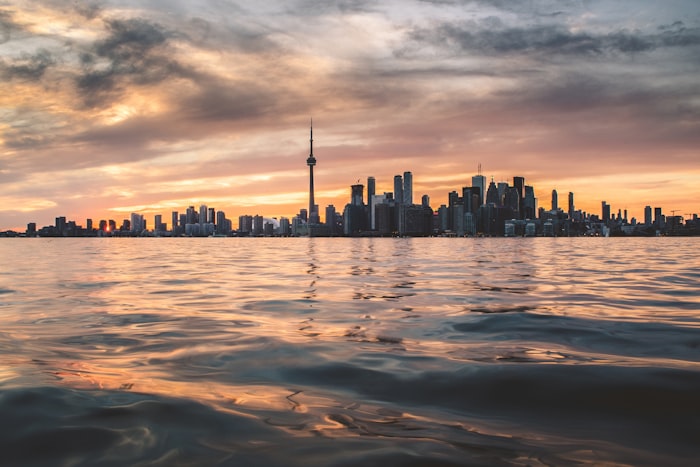
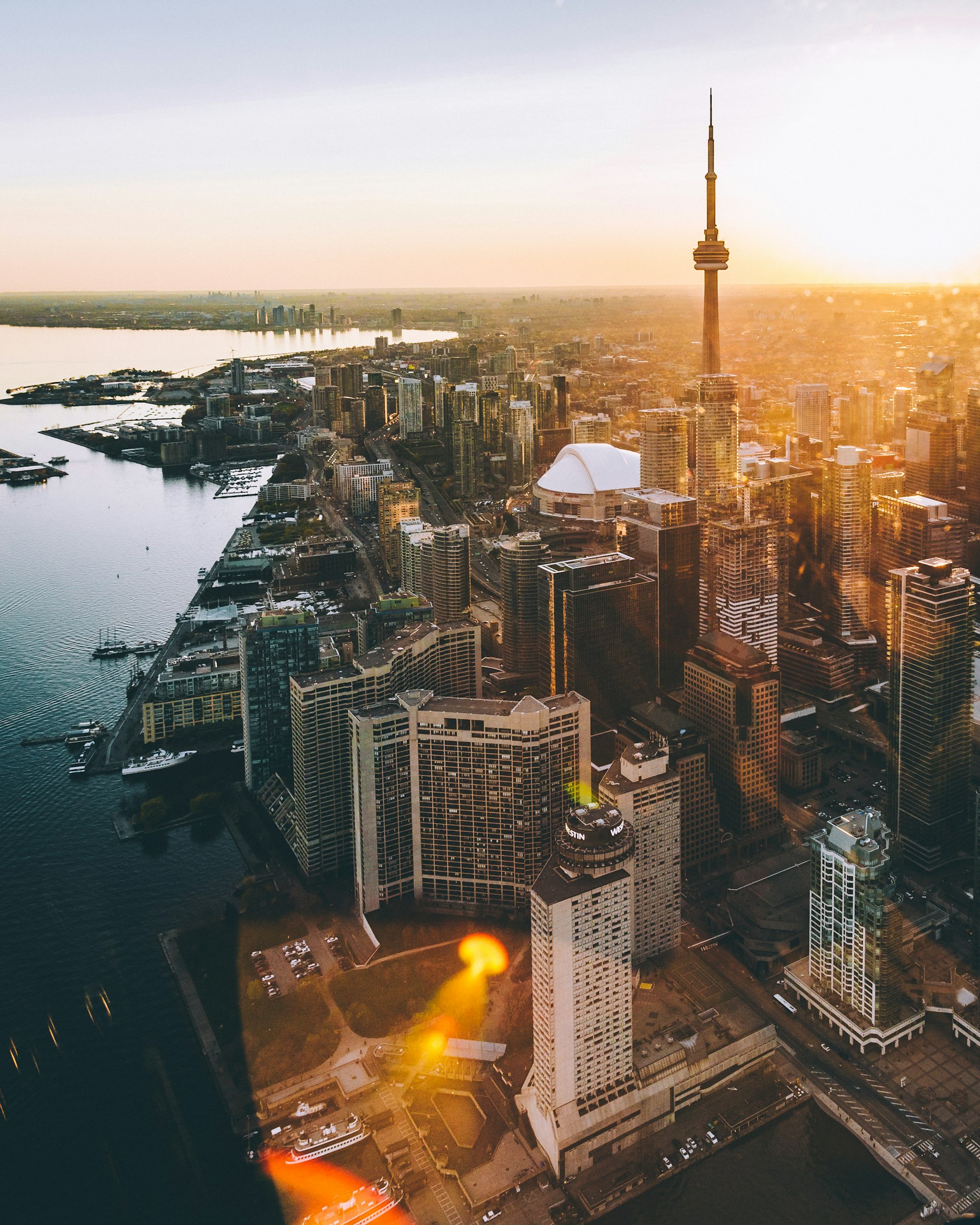
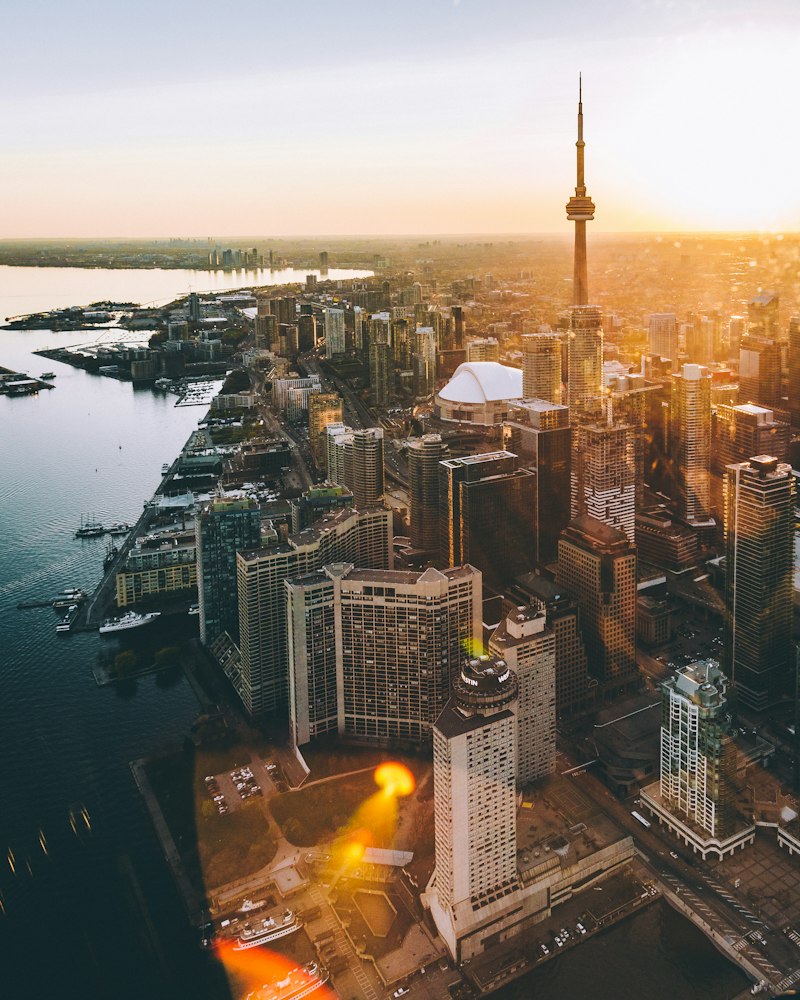
Ontario
Capital: Toronto · Pop. ~15.9M
Ontario is where most new Canadians land — the most populous province, home to the federal capital (Ottawa) and the country's largest city (Toronto). It holds within its borders everything from Muskoka cottage country to the Great Lakes shoreline to the Canadian Shield, and contains an internal diversity most visitors underestimate.
Explore Ontario
Manitoba
Capital: Winnipeg · Pop. ~1.5M
Manitoba is where the Canadian Shield meets the prairies — a province of boreal forest, freshwater lakes, enormous skies, and a capital city that is colder in winter than most places on Earth. The polar bear migration to Churchill on Hudson Bay is one of the world's great wildlife spectacles, and it happens here every October.
Explore Manitoba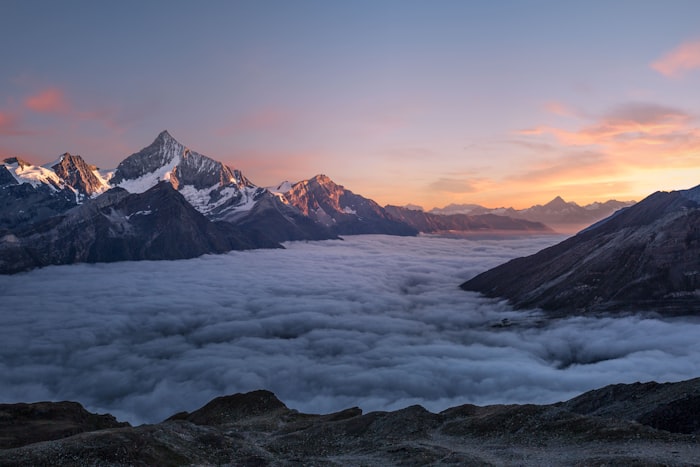
Saskatchewan
Capital: Regina · Pop. ~1.23M
Saskatchewan is the province that looks like it was made with a ruler — flat to the southern horizon, its geometry broken only by grain elevators, sloughs, and the enormous clouds that build over it in summer. It is a province of farmers and energy workers, with a reputation for genuine neighbourliness and a provincial politics that swings harder than most.
Explore Saskatchewan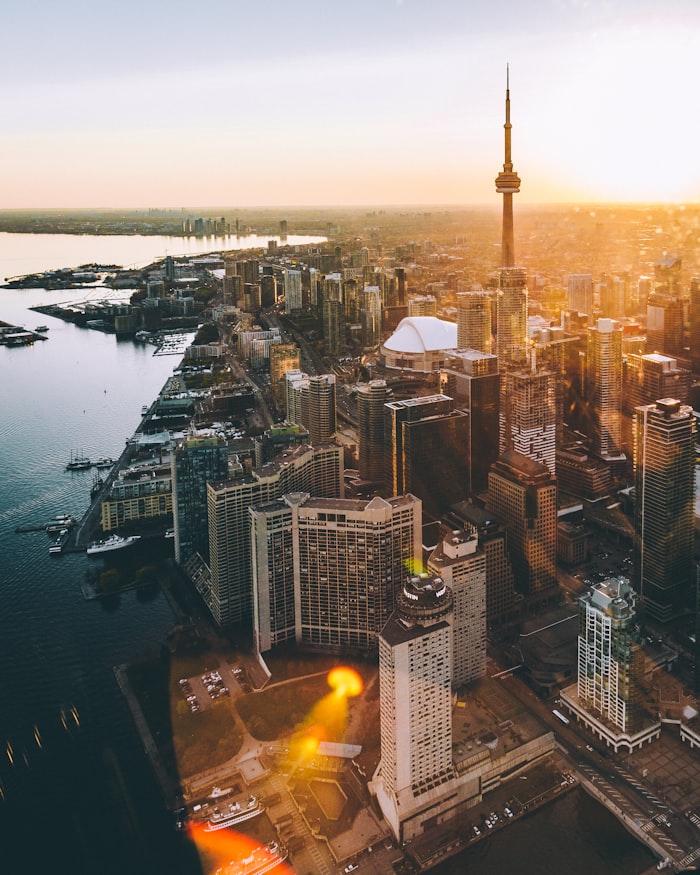
Alberta
Capital: Edmonton · Pop. ~4.8M
Alberta has two faces: the oil-and-ranching heartland of the south, and the spine of the Canadian Rockies along its western edge. Calgary is its energy capital and home of the Stampede; Banff and Jasper are the crown jewels of Canada's national park system. Edmonton, the provincial capital, is the northernmost major city in North America.
Explore Alberta
British Columbia
Capital: Victoria · Pop. ~5.6M
British Columbia is the Pacific province — a place where fjords, old-growth rainforest, ski mountains, and one of Canada's most dynamic cities exist in unlikely proximity. The climate in the southwest is the mildest in Canada. It is a province that people fall in love with on a visit and spend the rest of their lives trying to afford to live in.
Explore British Columbia

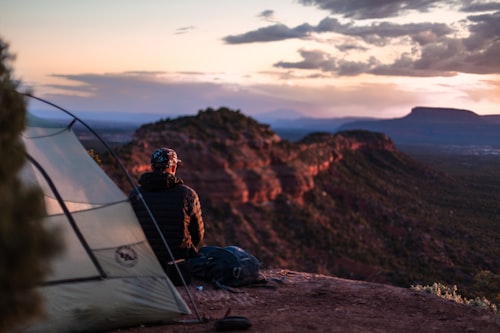

“Each province is a different mood. Ontario is ambitious and restless. Quebec is philosophical and protective. Alberta is self-reliant and proud. BC is still searching for something it hasn’t quite named yet. The Maritimes remember things the rest of the country forgot.”
— All Canada Editorial TeamThe Three Territories
The territories cover 40% of Canada's landmass and hold less than 0.3% of its people. Vast, distinct, and essential to any real understanding of the country.
Yukon
Capital: Whitehorse · Pop. ~46,000
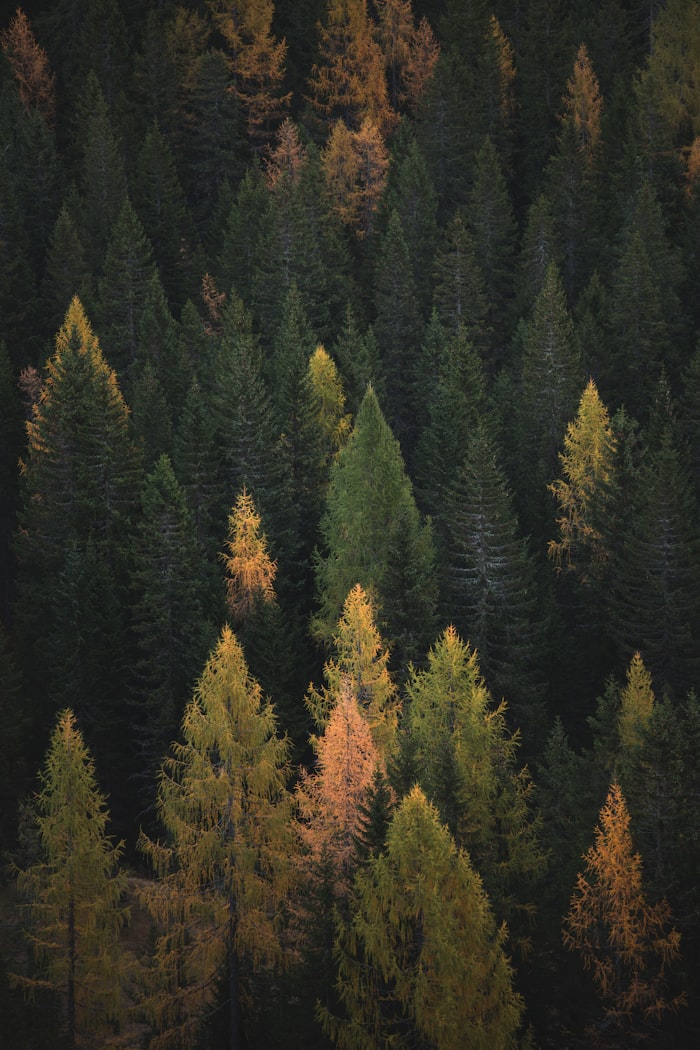
The Yukon is gold-rush country, midnight-sun country, aurora country — a territory that draws a certain type of person: those who want to drive until the road ends, and then keep going. The Klondike Gold Rush of 1898 made Dawson City briefly the largest city west of Winnipeg. The landscape remains extraordinary on a scale that photographs do not adequately convey.
Explore Yukon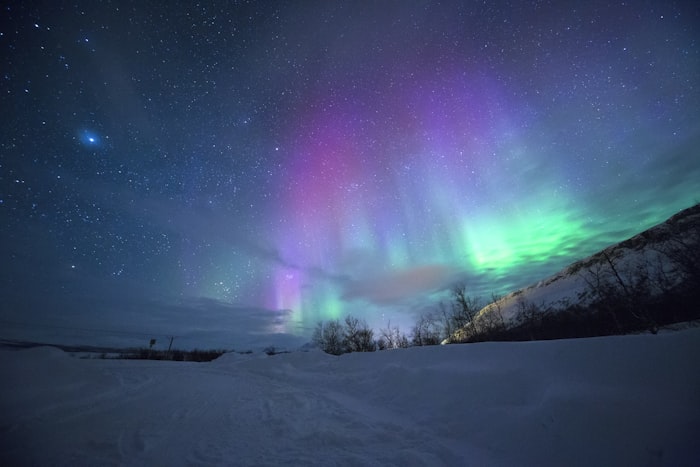
Northwest Territories
Capital: Yellowknife · Pop. ~45,000
The Northwest Territories stretch from the 60th parallel to the Arctic Ocean — tundra, boreal forest, the Mackenzie River (the longest in Canada), and Yellowknife, a small city on Great Slave Lake where diamonds and the aurora put the territory on the world map. It is one of the best places on Earth to watch the northern lights.
Explore Northwest Territories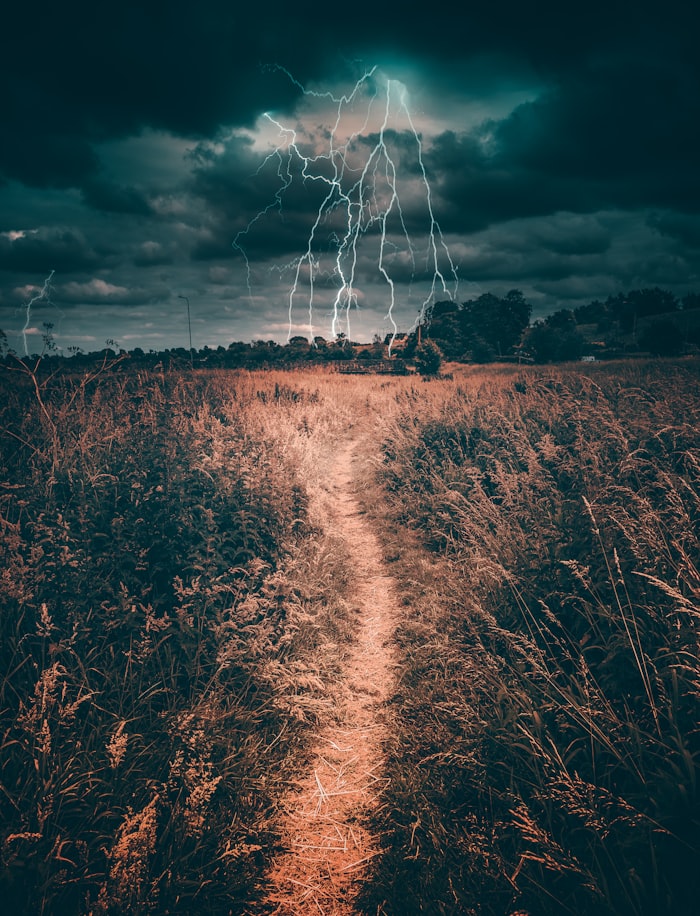
Nunavut
Capital: Iqaluit · Pop. ~40,000
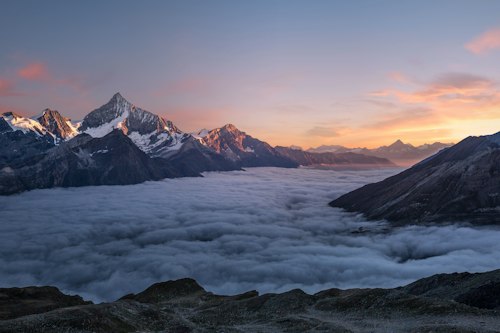
Nunavut — “Our Land” in Inuktitut — is the newest and largest of Canada's territories, established in 1999. It covers nearly two million square kilometres of eastern Arctic, larger than western Europe. There are no roads connecting its communities. About 85 percent of its residents are Inuit, and the territory is an exercise in Indigenous self-governance on a scale unprecedented in Canadian history.
Explore Nunavut


How Provinces and Territories Differ
The difference between a province and a territory is constitutional. Provinces derive their powers from the Constitution Act of 1867 and cannot be altered without a constitutional amendment — they are co-sovereign with the federal government in their areas of jurisdiction. Territories were created by ordinary federal legislation and technically derive their powers from Ottawa, though in practice they govern themselves in most day-to-day matters.
What this means practically: each province sets its own income-tax rate, its own education curriculum, its own health-care administration, its own liquor laws, its own labour standards, and its own approach to natural resource development. Driving laws vary. Tenancy law varies. Prescription drug coverage varies considerably. When Canadians say the country doesn't feel uniform, they're describing the lived reality of federalism.

Finding Your Place in Canada
If you're deciding where to visit or live, the province guides are the place to start. Each one covers the major cities, the cost of living, the climate, the economy, the culture, and the specific things about that place that outsiders consistently misunderstand. We've tried to be honest about the trade-offs in each province — every place in Canada has genuine strengths and genuine drawbacks, and we don't airbrush either.
For a quicker orientation — seasons, money, how to get around — start with the Travel Tips page. For a look at what life looks like in specific cities, see our Cities guide.